Artificial Turf vs. Natural Grass in Maricopa, AZ: Water Savings, Cost, and HOA Rules
Every homeowner considering artificial turf in Maricopa, AZ eventually asks the same question: is it actually worth it, or is it just a rock yard with a green paint job? The honest answer is that it depends entirely on the install — but the water math behind the decision is real, well documented, and worth walking through before you decide either way.
The Real Water-Savings Math
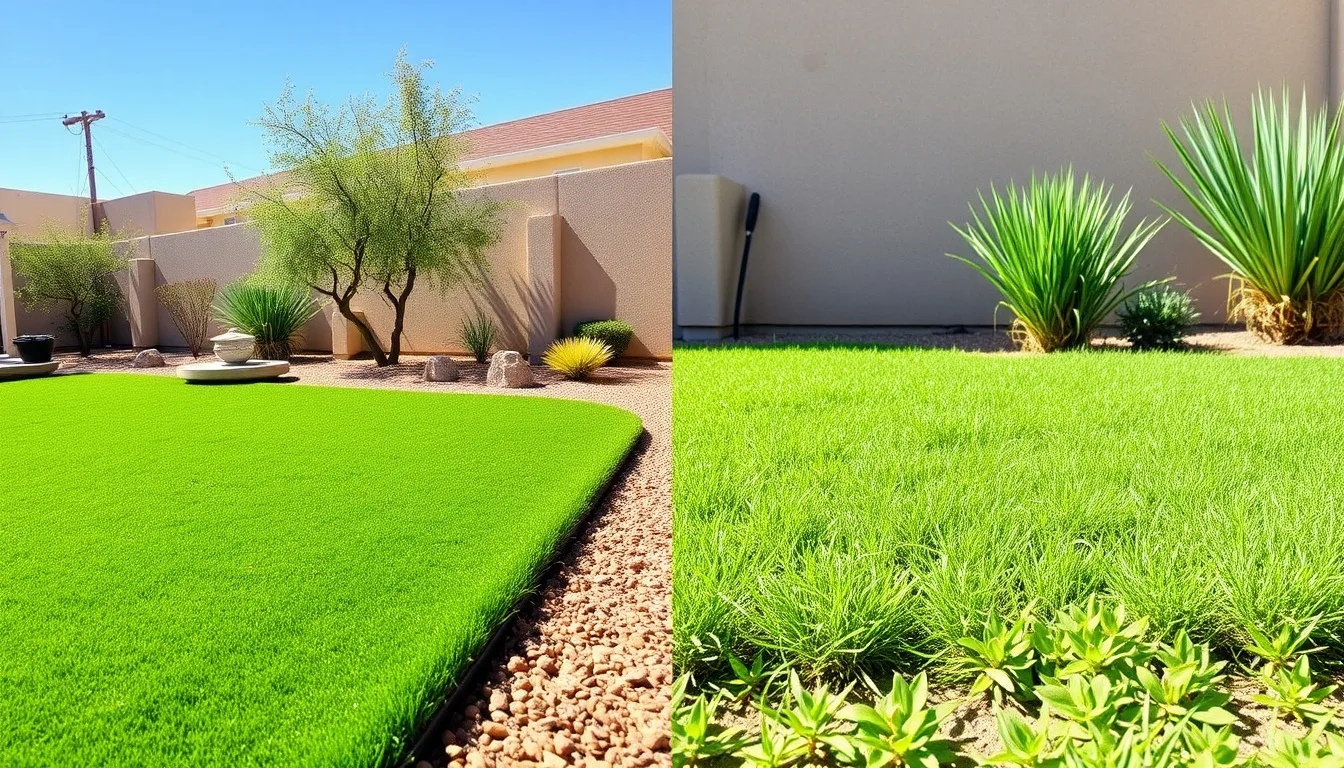
Natural grass and artificial turf don't just look different — they draw from completely different water budgets, and the gap is bigger than most homeowners expect until they see the numbers side by side.
Irrigated natural turfgrass in Central Arizona typically requires somewhere in the range of 55 to 75 gallons of water per square foot per year. Synthetic turf, by comparison, uses close to zero irrigation water — the only water it needs is an occasional rinse, roughly 500 to 2,000 gallons per year total for a typical yard, purely for cleaning rather than keeping anything alive.
Run that difference across a full lawn and the numbers get significant fast. A 1,000-square-foot natural lawn converted to artificial turf can save on the order of 55,000 gallons of water per year — a figure commonly compared to more than 1,800 showers. Water savings of 70% or more are widely reported for artificial-turf conversions across the Phoenix-metro area. One Chandler-specific citation notes that the average homeowner there has 2,000-plus square feet of natural grass, which implies roughly 110,000 gallons per year in potential savings from a full conversion — a number that scales with how much lawn a given property actually carries.
Worth being straightforward about: these are industry- and vendor-sourced figures — turf-installer research and water-conservation advocacy pieces, not a single controlled scientific study — so they're best treated as commonly reported ranges rather than a precise guarantee for any individual yard. Even taken conservatively, though, the direction and scale of the savings are consistent and substantial, and they line up with the broader, more institutionally sourced water-conservation trends already well documented across the Phoenix-metro region.
What Natural Grass Actually Takes to Maintain Here
It's worth spelling out what a natural lawn actually requires in the low desert, because the comparison to artificial turf only makes sense once the full workload is on the table. Most warm-season lawns in the Maricopa area are overseeded with a cool-season grass each fall to stay green through winter — a separate planting and establishment process on top of the base lawn, repeated every single year. Through the growing season, that's regular mowing, routine fertilizing, periodic aeration so water and nutrients actually reach the root zone, and irrigation running far more often than most homeowners realize, especially once summer heat sets in.
None of that is optional if the goal is a lawn that actually looks good rather than one that's patchy, thin, or heat-stressed by July. It's also the part of lawn ownership that doesn't show up on a water bill — the recurring cost of seed, fertilizer, and either the homeowner's own time or a standing maintenance contract, year after year, for as long as the lawn exists.
Upfront Cost vs. Multi-Year Savings
Artificial turf carries a real upfront cost that natural grass doesn't — there's no "just plant seed" option with synthetic turf. But the comparison isn't really upfront cost versus zero; it's upfront cost versus the ongoing water bill, mowing, fertilizing, aerating, and overseeding described above, which a natural lawn requires every single year it exists, plus the summer stress and dead patches that show up no matter how well a lawn is maintained in triple-digit heat.
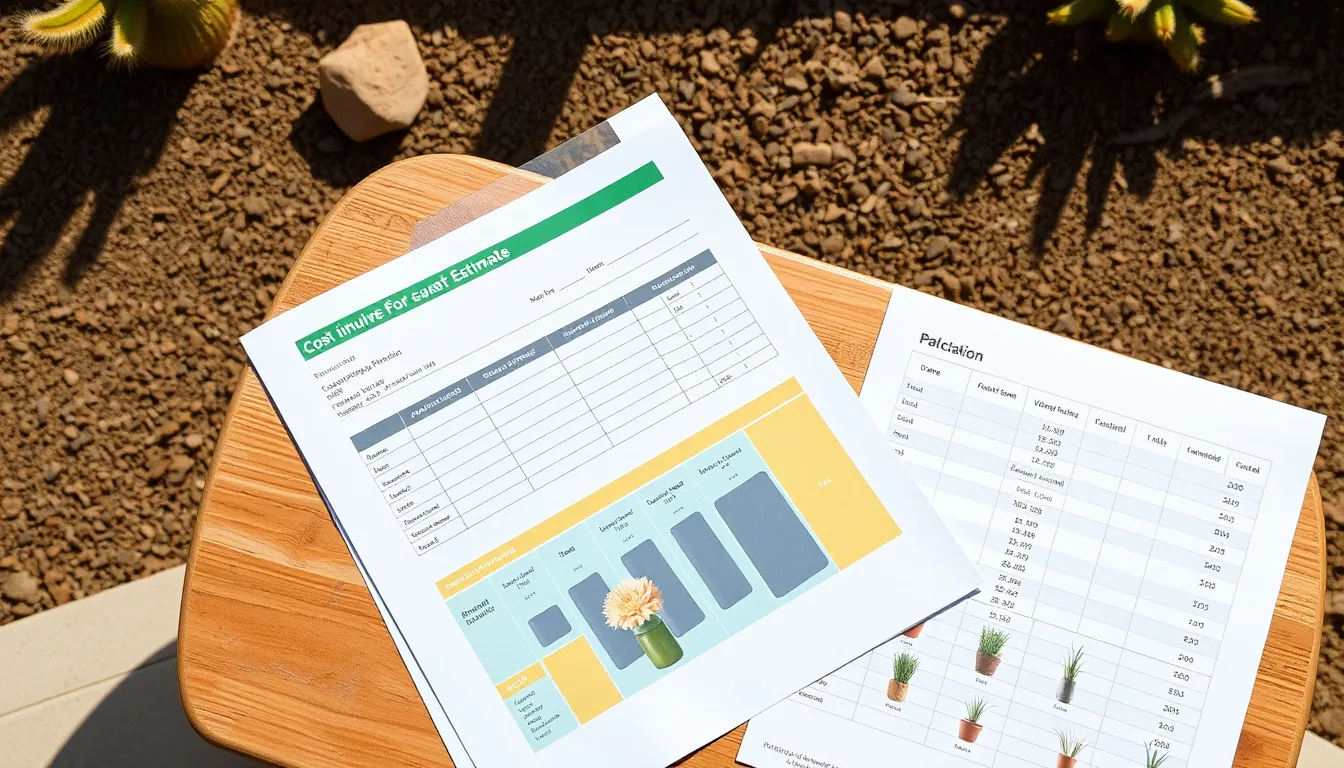
Turf pricing depends on square footage, the base-prep work a given yard needs, and the grade of turf selected, which is exactly why a fixed, on-site quote matters more than a generic per-square-foot number pulled from a national average. What's consistent across most conversions is the shape of the tradeoff: a real installation cost up front, offset over time by water savings, eliminated mowing and fertilizer costs, and a lawn that looks the same in August as it does in April — something no natural grass lawn in the low desert can claim without heavy irrigation and overseeding. For most homeowners, the real question isn't whether turf ever pays for itself, but how many years of water bills and lawn-care costs it takes to get there for their specific yard size — which is exactly what an on-site estimate is for.
What a Proper Install Actually Involves
This is where artificial turf earns its reputation — good or bad — and it's also the most commonly searched question about turf installation for a reason. A proper install isn't turf rolled out over dirt. It starts with excavating and compacting a real base, typically crushed granite or a similar aggregate, followed by a weed barrier, and in most cases a drainage layer, before the turf itself and the infill go down.
That base and drainage work is what actually separates a turf lawn that looks great and drains properly during monsoon storms from one that develops soggy low spots, shifts underfoot, or smells after the first hard rain. Skipping proper base prep is the single most common cause of artificial turf that looks bad or performs poorly within a year or two — and it's almost always a corner-cutting problem, not a product problem.
Infill matters just as much as the base, and it's an easy thing for a budget install to skimp on. Infill is the granular material worked down into the turf fibers that helps the blades stand upright, adds weight so the turf doesn't shift, and — depending on the product — plays a role in drainage and odor control. Choosing the right infill for how a given area of the yard will actually be used, rather than defaulting to whatever's cheapest, is part of what separates a turf lawn that still looks and performs well five years in from one that flattens out and starts looking tired after a single Arizona summer.
Why Bad DIY Installs Give Artificial Turf a Bad Reputation
If you've heard a story about someone ripping out their artificial turf a few years after installing it, the root cause is almost always traceable to the installation, not the turf itself. Inadequate base prep, the wrong infill for a desert climate, or simply a low-quality product installed without proper drainage all produce the same complaints: wrinkling, pooling water, a spongy or uneven feel underfoot, and turf that looks tired well before it should.
This is a real and fair thing to be cautious about — but it's also the strongest argument for a professional install rather than a DIY weekend project or the cheapest bid available. The turf material itself is durable. What fails is almost always what's underneath it.
Surface Heat: A Real Desert Consideration
There's one tradeoff that's specific to the low desert and worth addressing honestly: artificial turf in direct, full summer sun can get noticeably hot to the touch — hotter than natural grass in the same spot. This isn't a reason to avoid turf, but it is a reason product and infill selection matter more here than in a milder climate.
Turf grade, pile height, and infill type all affect surface temperature, and shaded areas — under a palo verde or mesquite canopy, or on the north side of a home — perform very differently than a wide-open, full-sun expanse of turf. A design that accounts for where the yard actually gets shade, and selects turf and infill accordingly for full-sun zones, avoids the worst of this issue rather than fighting it after the fact.
HOA Policies on Artificial Turf
Most HOAs across the Maricopa, AZ area now allow artificial turf, which is a meaningful shift from just a decade ago. That said, "allowed" rarely means "no rules." Common HOA requirements include specific turf quality or type standards, restrictions on placement — some communities allow it only in backyards, or apply different rules to front-yard visibility — and drainage requirements to make sure a turf install doesn't create runoff problems for a neighboring property.
Because these rules vary meaningfully from one community to the next, we design turf installs to meet common regional HOA standards and always recommend confirming your specific community's current rules before work begins. Getting this right up front avoids a rejected submittal or, worse, having to redo an install after the fact.
Pet- and Kid-Safe Options
Families with kids or pets are one of the biggest groups asking about artificial turf, and for good reason — there's no mud tracked inside after a monsoon storm, no bare dirt patches from repeated foot traffic, and no pesticide or fertilizer residue to worry about. The infill selection matters most here: antimicrobial and odor-resistant infill options are specifically designed for pet areas, and turf products rated for high foot traffic hold up better under active kids and dogs than a standard residential-grade product. A proper drainage layer underneath also matters more for pet areas specifically, since it's what keeps the yard from holding onto odor after it's rinsed.
Is Artificial Turf Right for Your Yard?
Artificial turf makes real sense in the low desert specifically because of what natural grass costs here — in water, in mowing and fertilizing, and in the visible stress of keeping a lawn green through a Maricopa summer. The honest tradeoffs are a real upfront cost and a surface-heat consideration in full-sun areas, both of which a well-designed, professionally installed system accounts for from the start.
If you're weighing artificial turf against another season of watering, mowing, and overseeding a natural lawn, a free on-site estimate is the fastest way to get real numbers for your specific yard — square footage, base-prep needs, and a fixed price, not a generic online calculator.
Call 844-967-5247 for a free artificial turf estimate, or reach out online to get started.
Ready for a free estimate?
On-site estimates for Maricopa and the West Valley — water-wise design, honest pricing.